family

'I'm a children's creator on YouTube. No one is talking about what the ban means for us.'

If you want to support independent women's media, become a Mamamia subscriber . Get an all-access pass to everything we make, including exclusive podcasts, articles, videos and our exercise app, MOVE.

On December 10, Australia is rolling out a world-first social media minimum age (SMMA) obligation, often referred to as the "social media ban."

The intention behind the world-first legislation is clear and widely supported; protect kids from the harms of digital spaces. But within the policy is a quieter decision that some parents, experts and content creators are still scrambling to understand.

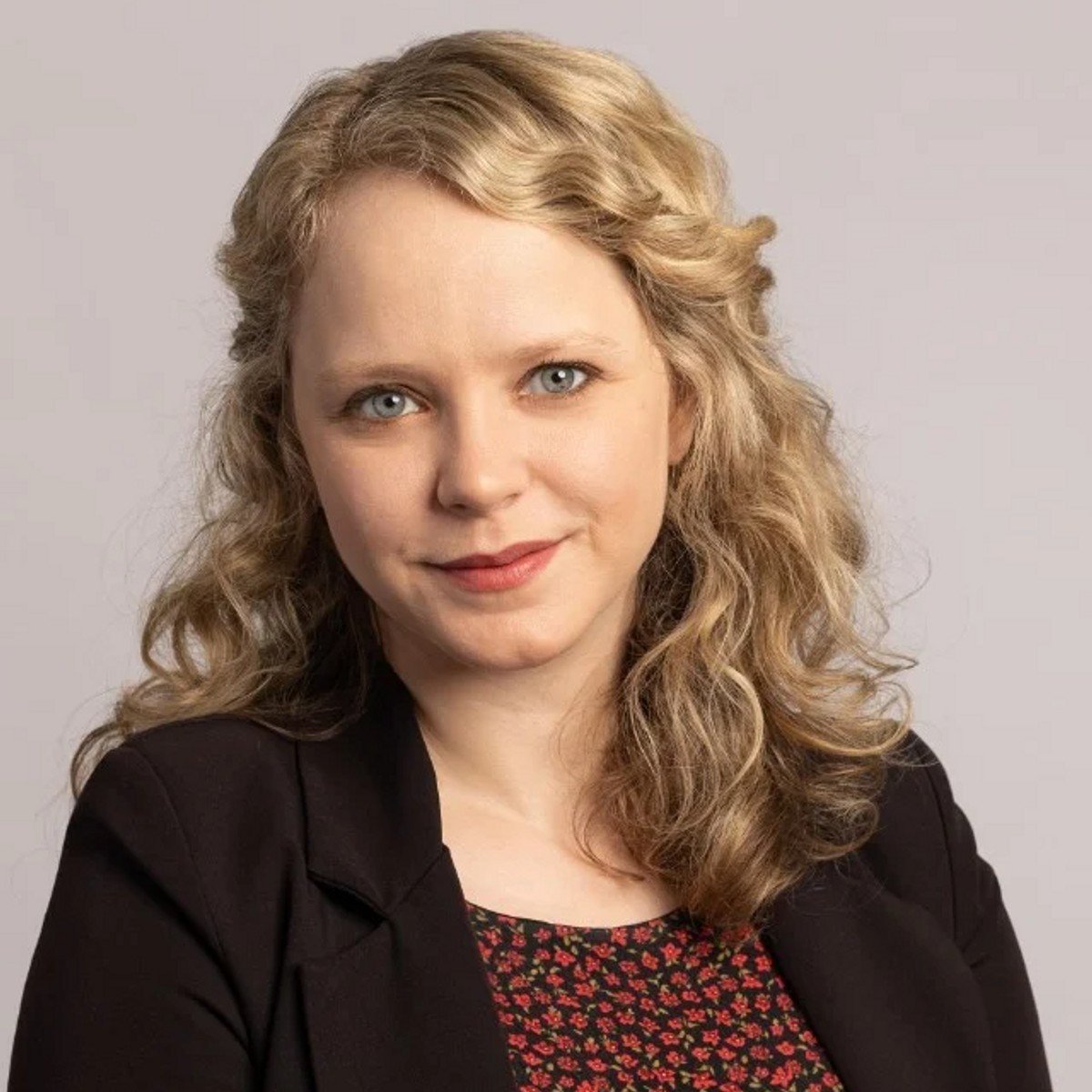
When Tina Harris — Lah-Lah performer, children's educator and mother to a former child content creator— first heard that Australia's upcoming social media ban would include YouTube, her reaction was disbelief.

Listen: Busting some popular social media ban myths. Post continues below.

"We were very confused by it," Tina told Mamamia. "YouTube was actually carved out in the initial decision, then there was a complete flip.

"We don't understand why, because YouTube isn't really a two way conversation platform. It's more a broadcaster.

"It's just very strange that YouTube is being included."

For most parents, YouTube is the soundtrack of their living rooms. Craft tutorials, Bluey reviews, ukulele lessons, baking videos, maths explainers.

But for Tina, it was more than that.
ADVERTISEMENT

YouTube was the place her eldest daughter discovered who she was. For Tina herself, YouTube also provided a safe-haven for content creation.

Now, she fears a policy designed to protect children could end up closing off the very spaces where they learn, experiment and create.

Tina and Mark Harris.Tina and her husband Mark created the children's band Lah-Lah. Image: Supplied.

'It started in our backyard with a camera.'

Tina's daughter was 12 when she began making YouTube videos with her younger sister.

ADVERTISEMENT

Nothing professional. Just two kids with a tripod, their pets, and endless ideas.

"They were basically exploring what it was like to perform in front of a camera," Tina said. "They were filming in our backyard. They were editing and made videos about their pets, their rabbit their chickens.

"It was fun. It was lovely."

Her daughter taught herself editing, colour correction, sound, angles, pacing.

These are skills many adults in creative industries learn in expensive tertiary courses. For Tina's daughter, that early play became a pathway. By Year 11, her daughter had created a short film for her Visual Arts major work; a stop-motion piece that later helped her gain entry into AFTRS, Australia's most competitive film school.

Today, at 22, she works in the film industry and is about to begin her second Hollywood feature.

"I just don't know if she would've had the opportunity to have those early years of learning, developing skills, and end up where she is now," Tina said.

That thought is the one Tina keeps circling back to.

Under the new ban, Australian children under 16 will lose access to YouTube accounts.

"YouTube doesn't really fit into the social media definitions," Tina explained. "We're just really kind of bemused by its inclusion in the ban. It's a very odd thing that Roblox is not in it and YouTube is.
ADVERTISEMENT

"The government stance on protecting our kids, I 100 per cent support. I do think that there needs to be more social media regulation.

"The thing I'm concerned about is how rushed this is.

"Each platform is very different and very unique and so having a one a one system for all of these different platforms doesn't really kind of get the best outcome for kids and parents."

Watch: How to create a 'dumb phone' mode on your iPhone. Post continues below.


Video via TikTok/heyeaslo

The death of the children's television industry.

For Tina, the decision feels painfully familiar.

She and her husband both worked in children's television. They lived through what she calls "the quiet collapse" of the Australian kids' TV industry.

"When the government removed children's TV quotas, the Australian children's television sector collapsed almost overnight," Tina said. "Creators like us at Lah-Lah, musicians, educators, storytellers, filmmakers, moved to YouTube because it became the only platform left where Australian kids could reliably access local children's content.

"YouTube is really a broadcaster. It is a way for kids to watch entertainment to post and to explore creativity on the platform YouTube is now the number one global platform watched on television."

ADVERTISEMENT

Now, with this ban, she fears history is repeating itself.

"We've already lived through the collapse of children's TV once. We can't survive it twice," she said.

"We've already been hit by content quotas and now we're being hit by the social media ban. I think it's a real shame."

ADVERTISEMENT

'We want to have open dialogue with our kids.'

When the SMMA obligations come into place, every under-16 account will have restricted access.

Tina wants to be clear: she supports protecting children online. She supports regulating harmful digital spaces. She understands the intent.

Her request to the government can be understood in four parts:• Remove YouTube from the social media category• Allow under-16 accounts to remain• Work with the platform, not against it• Strengthen existing safeguards instead of dismantling them

Tina believes children will still be able to find workarounds and instead wants parents to be able to have open and honest conversations around the role of YouTube in the home.

"Kids aren't silly they're gonna find ways around this. They're gonna do things you know they're gonna find VPNs," she said. "They're gonna find ways to to express themselves and get on platforms.

"We want to have open dialogue with our kids. We want to have honest conversations instead of encouraging sneaky behaviour.

"So keep the accounts, and work with YouTube to educate families on how they can use these parent controls so parents can parent their kids."

Mamamia has reached out to eSafety for comment.

For more information on the SMMA laws, please refer to eSafety's "frequently asked questions."

Feature image: Supplied.

00:00 / ???