wellness

'I was self-medicating my ADHD with alcohol. Here's what happened when I stopped.'

If you want to support independent women's media, become a Mamamia subscriber . Get an all-access pass to everything we make, including exclusive podcasts, articles, videos and our exercise app, MOVE.

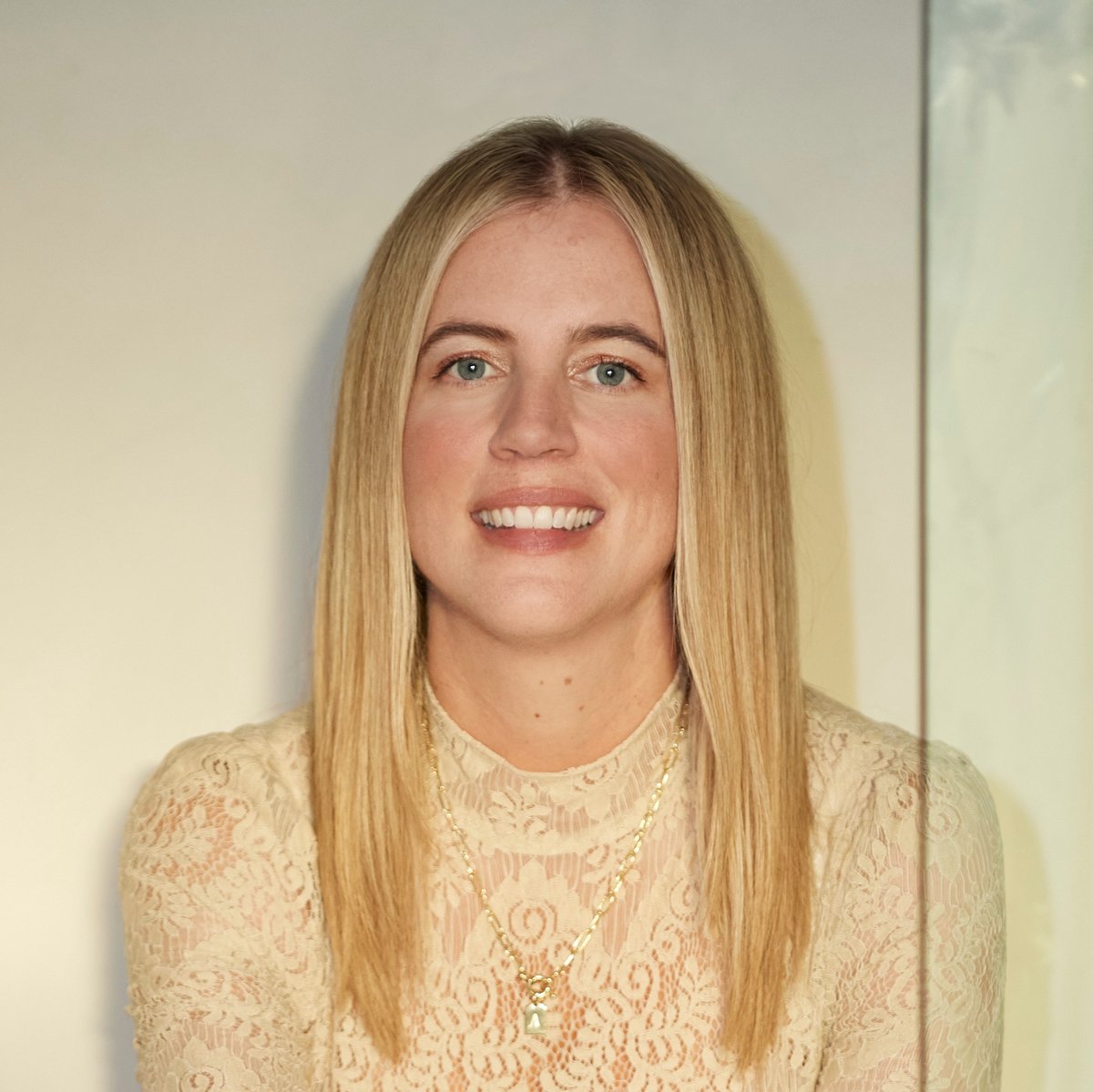
I'm approaching two months without alcohol. The longest stretch of my adult life. Yes, even longer than my two pregnancies, when I'd have the occasional glass of wine.

Since the first time I got a taste for it as a teenager, I couldn't stop. I have always been able to drink in high volumes. And so I did. I have always been a binge drinker.

Watch: Debunking ADHD myths on But Are You Happy. Post continues below.


Video: Mamamia

I got diagnosed with ADHD last year in my forties, and it wasn't until my drinking became problematic and I stopped that I realised this was very likely the underlying driver of a lifelong unhealthy relationship with alcohol.

And it's not about having an 'excuse', it's about understanding the triggers and the 'why' so I don't find myself there again.

The slippery slope of "just one rule."

I am not an alcoholic. I'm seeking professional help for my ADHD and relationship with drinking, and we both agree I haven't crossed that line. But if I didn't stop and kept going? Well, hopefully we will never know.
ADVERTISEMENT

So why abstain completely then?

In the past, I've tried to implement rules like 'no drinking on weeknights unless I have something on'. And because I'm really sociable, I would always find ways to have something on.

Then that rule blurs, and it becomes, 'well, I'm not going to drink if I am alone'. And then it became, 'well, I can have a wine on the couch because the kids are here, so I'm not alone'. And then that rule blurred.

Before long, it went from partying on the weekends I don't have my kids, and Sunday morning mimosas to fight away the Sunday scaries, to Monday needing a drink to deal with the hanxiety from the weekend.

I am known as the 'mimosa queen'. It was very much a part of my identity. I have had to work through what this means for me now. And it's a work-in-progress.

By the point I stopped, it had been creeping up on me. I had been drinking every night, beyond feeling sociable, to just feel "normal".

And I knew I didn't want that to be my normal. So I removed it entirely. I needed to break the circuit before it broke me.

Understanding the ADHD connection.

Learning about the ADHD brain, I can now see that this was definitely about me seeking dopamine hits. I do love a party, always have.

ADVERTISEMENT

"Dopamine is often known as the 'pleasure chemical' because it's involved in creating the feeling of short-term pleasure (think of that first bite into a donut, or when you hit 'buy' on that online shopping order). However, it does a lot more," Clinical Psychologist and author of The Dopamine Brain Dr. Anastasia Hronis told Mamamia.

"Dopamine is activated not just when we experience pleasure, but also in the pursuit of pleasure. From an evolutionary perspective, it kept us alive because it motivated us to hunt for food and feel rewarded once we ate, and it motivated people to have sex and procreate."

"Previous theories described the ADHD brain as having a simple 'shortage' of dopamine, but it isn't necessarily about a lack of the chemical itself."

"It is better understood as a condition affecting how dopamine is activated, distributed, used, and cleared away across multiple pathways in the brain, rather than just how much of it exists,"

"Dopamine in ADHD is best described as dysregulated, rather than simply 'too low' or 'too high,'"

"For many people with ADHD, drinking alcohol can create a brief, artificial boost in dopamine and a short-lived sense of mental quiet, as if the usual background 'static' of an ADHD brain is turned down. But this relief is temporary and often followed by a rebound worsening of symptoms," she said.

Suddenly, my entire drinking history made sense.

ADVERTISEMENT

The statistics are sobering. Research shows that individuals with ADHD are five to 10 times more likely to develop alcohol addiction than those without ADHD.

When coping becomes escaping.

I came out of a marriage over three years ago. For many people, alcohol is the coping liquid of choice in this scenario, and it was mine. But I am not in trauma anymore, so why was I 'escaping' like I still was?

Clinical Psychotherapist Samantha Molineux sees this pattern frequently.

"What's happening is feelings are coming up for people that they just can't be with. People can't be with discomfort, and what we want to get to is, what is that? Usually, it's anxiety, depression, or unresolved trauma. So we 'need' to go to something external," she told Mamamia.

"In our culture, it's quite normalised behaviour. And the thing is, all of these coping mechanisms, like alcohol, they serve us until they don't. They get us through, and then we realise it's maladaptive, and 'my world is shrinking, and I can't live like this'. But what we want to do is widen our world, and bring it back out."

After a particularly large weekend consisting of some pretty questionable life choices two months ago, I realised I had snowballed into a self-medicating spiral.

I didn't want that for my life anymore. So I stopped.

The transformation: Abstinence changes everything.

women at pool and walking dog. Healthy dopamine hits is the new normal. Image: Supplied.

ADVERTISEMENT

I read that three weeks after you completely remove alcohol, you notice the biggest shift, and I found that magic number to be true.

There are vain silver linings, like your skin quite literally glows, you lose the dark circles under your eyes and weight falls off without trying.

But more importantly, I am sleeping without sleeping tablets for the first time in five years. This is my biggest, life-changing improvement and it is priceless.

ADVERTISEMENT

But also, I feel good, really healthy, and I have so much more energy. I have more patience with my kids. I am bouncing off the walls.

Also, when you aren't numbing your mood constantly, you feel feelings more acutely (as tropey as that sounds). The good, the bad, the ugly, but also more joy.

I don't remember the last time before recently that I really, truly felt a natural high.

Stopping wasn't hard for me. There are times when I notice myself "wanting a drink" — and they get fewer — like when you've had a bad day, or you're feeling anxious about something.

And you do need to learn to sit in the discomfort, and it can be uncomfortable. But nowhere near as excruciating as being on the verge of a panic attack at work on a Monday while your body tries to work through all the poison you emptied into it over a weekend.

I have a toolkit I've created with 'healthy dopamine hits' that I make sure I get in some form every day. Exercise, nature, music. A swim in the ocean when I can.

D'Costa emphasised the importance of this approach: "Replace alcohol with activities that naturally boost dopamine: exercise (even short bursts), creative hobbies, or novel experiences that provide stimulation."

Navigating a social life without the social lubricant.

Woman at a christmas party drinking a heaps normal and dancing The new normal at the Christmas party (alchol free beer) and dancing is still just as fun. Image: Supplied.

ADVERTISEMENT

Some sober firsts are tricky (especially when you come to this realisation in November, ahead of the silly season). But I still go out, I go dancing, I've been to many Christmas parties and dinners out. I still go to the pub for a non-alcoholic beer.

And you do get comments, you need to learn not to take personally. People repeat themselves and get louder. You do leave a party earlier than you used to, but then you have the silver lining of being at the beach for a walk and swim the next morning.

ADVERTISEMENT

Molineux acknowledged this challenge: "When people are very social, and that's their connection, that can be the hardest thing because you find yourself questioning 'what does it mean for my friendships? Who am I without that part of my identity?' And there's a grief in that, as well.

"Once that comes down, or we let go of that, if we choose, it can send people into a quiet crisis of belonging and 'who am I without this? Am I enough?' Or 'I'm not the life of the party', so just go really, really slow with it."

This has been my experience exactly. The identity shift has been profound. And I still don't know where I sit with it.

What constitutes an unhealthy relationship with alcohol?

Molineux offered a simple framework for assessment: "The question I ask is, how is it affecting your quality of life? Some people can go out and have a couple of drinks, and it's not affecting their life, but if you're waking up and you're not motivated, there is an impact on your life. We always ask: What is your quality of life like?"

On whether people can drink again after abstaining, she said that some people can actually just go out and have one or two drinks.

"But there are some people who can't stop at that, and that's when abstinence is recommended. So it's knowing your capacity, and knowing yourself to know."

I don't know how long I will be doing this for, or if I can have a healthy relationship with alcohol again. That's for me to work through with my psychologist (who specialises in ADHD).

ADVERTISEMENT

All I know is I don't want to go back to what it was. It was impacting my quality of life.

The importance of self-compassion (not shame).

Perhaps the most important thing I've learned through this process is to approach it without shame.

Molineux is adamant about this: "It's really important not to go into shame. Because what happens is the shame spiral sets off, and then the cycle increases, and the drinking gets worse, they hide out, they self-isolate.

"(It's about) being gentle and kind to yourself while working out the best kind of way forward. It's not something we need to hide in shame about anymore."

When people have the psychoeducation, she explained, as I have, you realise that there's actually 'nothing wrong with me, I'm just wired differently, and my reward system is just different'.

Practical strategies that actually work for ADHD brains.

D'Costa offered specific strategies for people with ADHD who want to change their relationship with alcohol:

Create ADHD-Friendly Boundaries:

"Instead of relying on willpower alone, establish clear structural limits such as drinking only on certain days, setting drink limits, choosing lower-alcohol alternatives, or implementing rules like 'no drinking at home'."

Use External Accountability:

"Traditional approaches often fail for ADHD brains. Try body doubling (having someone check in), visual reminders, habit trackers, or gamification apps."

ADVERTISEMENT

Regulate Your Nervous System Differently:

"If you're using alcohol to calm anxiety or sensory overload, explore alternatives like breathwork, cold water exposure, weighted blankets, or fidget tools."

Consider Professional Support:

"Working with an ADHD-affirming therapist can help develop personalised strategies. EMDR trauma therapy can be particularly effective for processing underlying trauma that may be driving self-medication patterns."

Signs alcohol might be affecting your life:

We don't have to be an alcoholic to have a drinking pattern that is no longer serving us. Molineux recommends gently noticing these patterns:

  • Drinking more than intended, more often than planned, or having difficulty stopping

  • Frequently thinking about drinking or drinking alone regularly

  • Drinking to cope, feel normal, or manage anxiety rather than for social reasons

  • Needing more alcohol to achieve the same effects or feeling agitated when it's unavailable

  • Experiencing tremors, fatigue, brain fog, anxiety, depression, or low mood the next day

  • Memory blackouts and engaging in risky behaviours

  • Sleep problems: difficulty sleeping, night waking, morning anxiety and dehydration

  • Concerns from friends or family about drinking habits

  • Avoiding situations without alcohol or experiencing negative impacts on work, relationships, or finances

Finding your North Star.

If you have found yourself reading this, maybe shrinking a little, feeling uncomfortable (firstly, I apologise), but also don't go into a shame spiral. You are definitely not the only one.

Molineaux recommends going to the GP and asking about a referral for a psychologist.

ADVERTISEMENT

"Then you can unpack, 'what's happening here? Why am I needing to regulate or self-medicate externally?' Also doing some reading and research and just hearing other people's experiences," she said.

Her final advice is to ask yourself, "Is this heading to my North Star of where I want to go?"

"You want to find your non-negotiables, or what your values are, what it is you actually want to feel. If you can think of your 'purpose', it really helps."

I am working on figuring out my North Star. And that's okay, because if we aren't constantly growing, then we aren't really living.

For the first time in my adult life, I'm discovering who I am without the haze of alcohol. And while it's uncomfortable at times, it's liberating. My world isn't shrinking, it's expanding.

If you or anyone you know is struggling, you can reach out to:

Dr Anastasia Hronis is a Clinical Psychologist, host of Mamamia's But Are You Happy podcast and author of The Dopamine Brain.

You can find out more support tools from Clinical Psychotherapist Samantha Molineux here.

Feature Image: Supplied.

Calling all health enthusiasts!

We want to hear how you take care of yourself! Complete our survey for a chance to win a $1,000 gift voucher in our quarterly draw!

Take survey →

00:00 / ???